Ofgem's ED3 methodology signals a clear shift in emphasis for electricity distribution networks. Alongside facilitating electrification and net zero, there is a growing focus on resilience, environmental performance, affordability and whole-life asset value.
Timber remains one of the lowest embodied carbon structures available to network operators and continues to offer significant environmental advantages over steel and concrete alternatives. However, the long-term performance of timber assets has traditionally relied on preservative systems, including oil-based treatments such as creosote.
As environmental expectations increase, and with continued scrutiny around preservative use, ED3 presents an opportunity to reassess this approach.
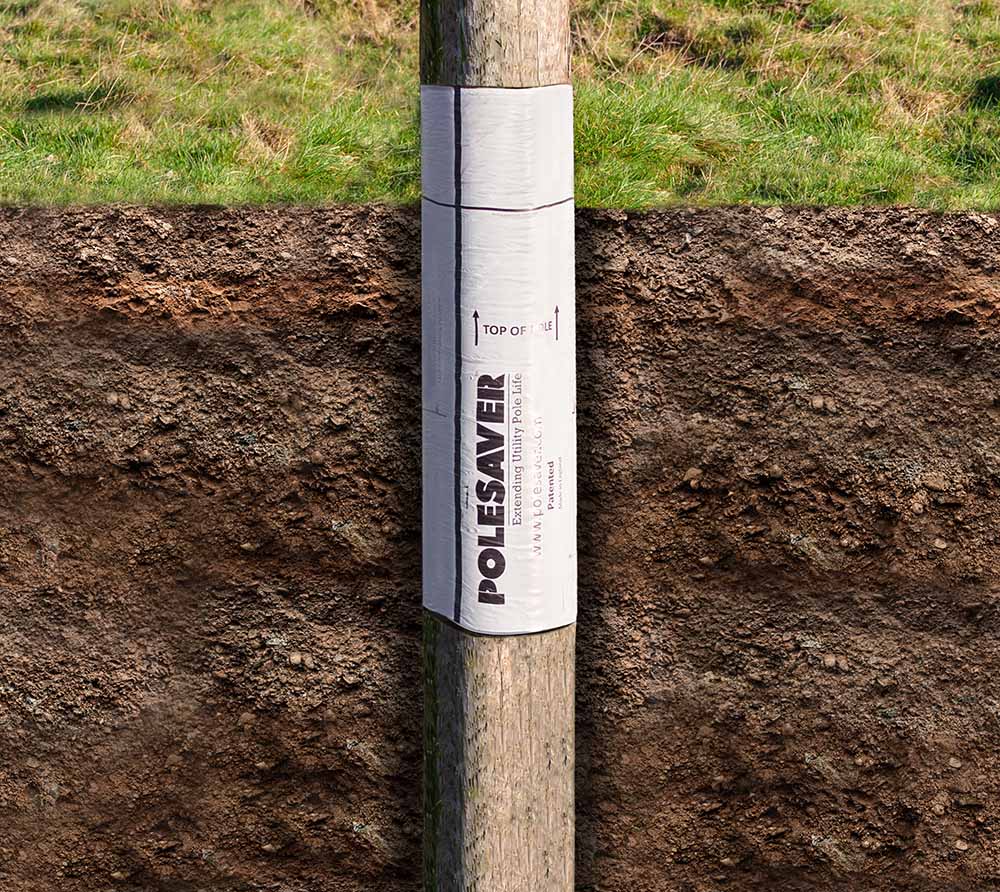
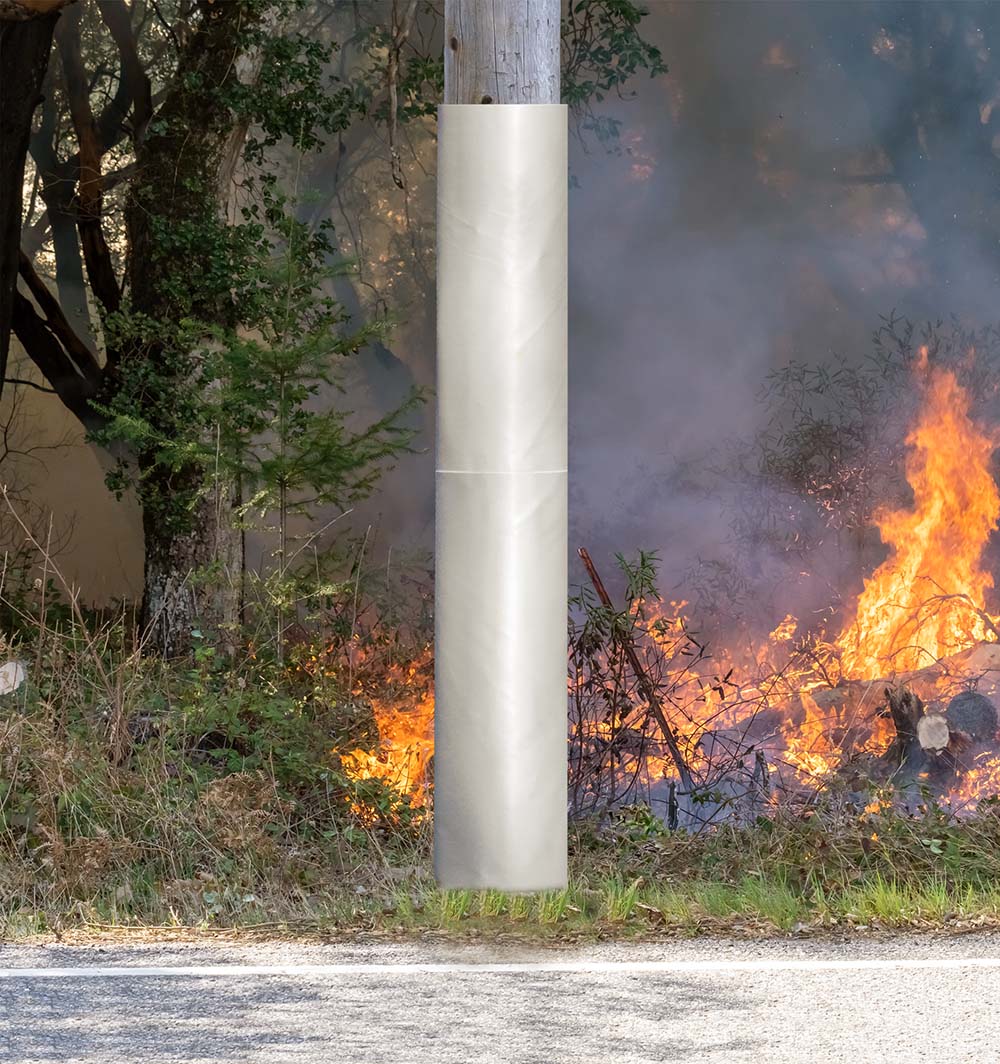
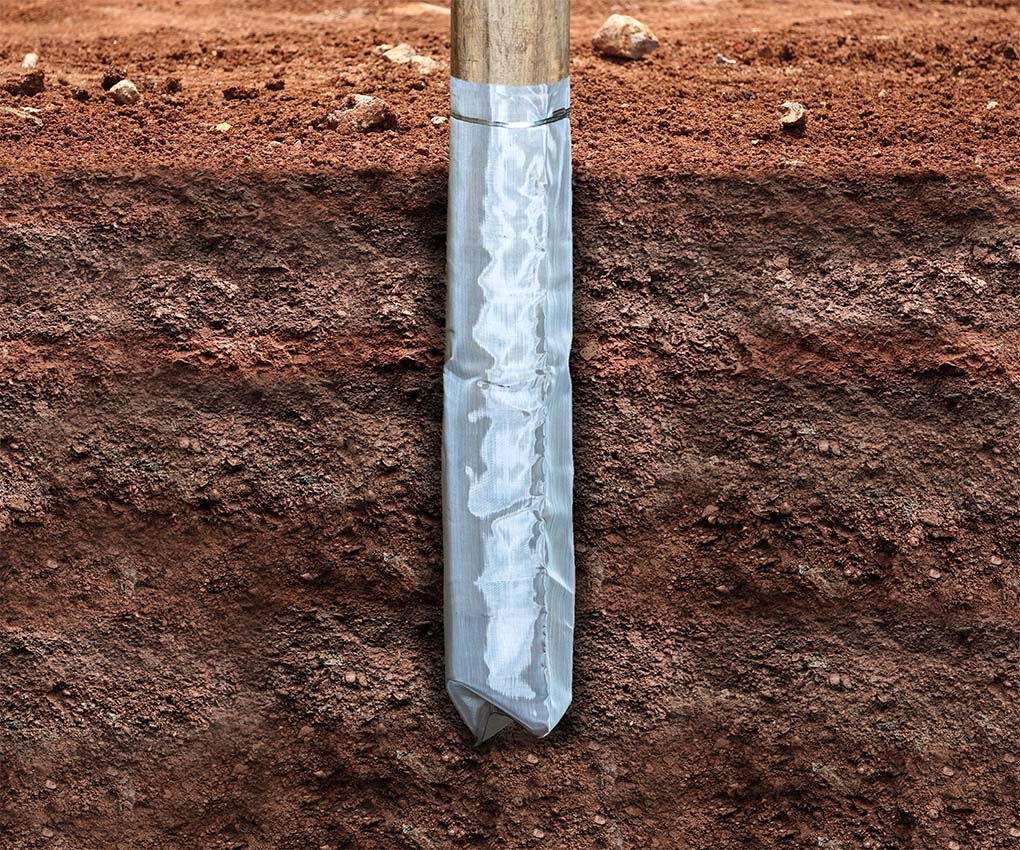
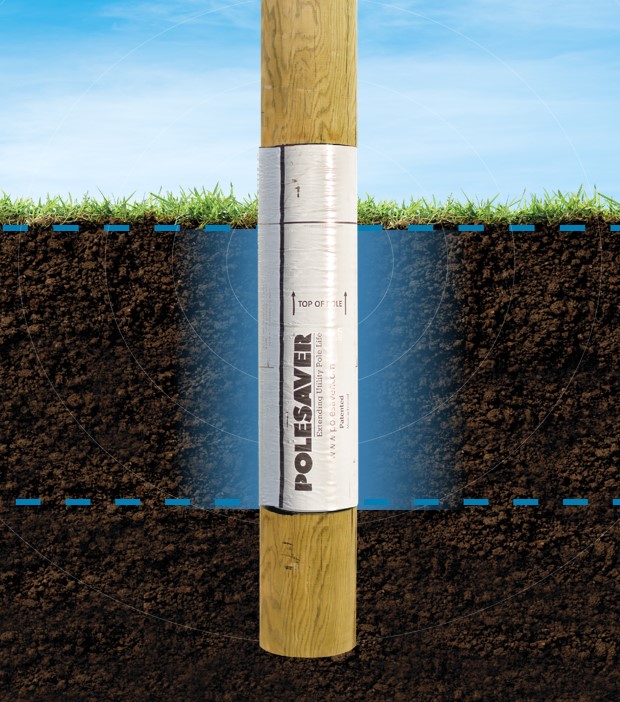
A combination of water-based copper preservative treated poles and ground-line protection technologies such as Polesaver Rot-Guard offers a different model. A greater level of protection is focused at the ground-line zone where deterioration is most likely to occur and where loss of structural strength typically begins.
From an asset management perspective, the benefits are straightforward. Maintaining ground-line integrity helps preserve pole strength, with independent testing across a range of preservative systems (including creosote-treated samples) showing that Polesaver-protected poles consistently retain higher residual strength in the critical ground-line zone. This supports improved resilience and can extend service life. From an environmental perspective, it can reduce preservative migration into surrounding soils, improve suitability for installations near watercourses and environmentally sensitive locations, and support a move away from environmentally harsher preservation systems.
There is also a carbon dimension. Extending the service life of timber infrastructure reduces replacement frequency, lowering the carbon associated with manufacturing, transport, installation and end-of-life replacement.
When considered over the full asset lifecycle, these savings can be significant. This becomes increasingly relevant as Ofgem continues to emphasise longer-life network assets within the RIIO framework, including the move from historic 20-year depreciation assumptions toward 45-year asset lives for new electricity distribution investment. In this context, technologies such as Polesaver Rot-Guard, independently proven to extend pole service life by up to 20 years, in addition to the life extension provided by preservative treatment systems, can play an important role in maximising whole-life asset value and reducing replacement-driven carbon emissions.
None of this changes the fundamental case for timber. Rather, it strengthens it. As DNOs develop their ED3 business plans, the challenge is not simply how to build more network, but how to deliver infrastructure that is resilient, affordable and environmentally responsible over the long term.
In that context, the specification of the timber pole itself deserves greater attention. The combination of water-based preservative systems and targeted ground-line protection may offer a practical route to maintaining timber as the lowest-carbon, longest-lasting and most environmentally sustainable pole solution available to the sector.
Asset managers and specification engineers who wish to review the underlying independent test data, field performance analysis, and technical validation supporting these outcomes are invited to request a copy of the full Polesaver Rot-Guard test evidence pack here.




This site is protected by reCAPTCHA and the Google Privacy Policy and Terms of Service apply.