Across Europe, utilities face a mounting challenge: delivering reliable electricity while navigating a funding shortfall that threatens to stall the energy transition. Governments promise investment, regulators push for faster decarbonisation, yet much of the burden falls on the utilities themselves. Behind this macroeconomic tension lies a smaller, often overlooked problem, the humble wooden pole.
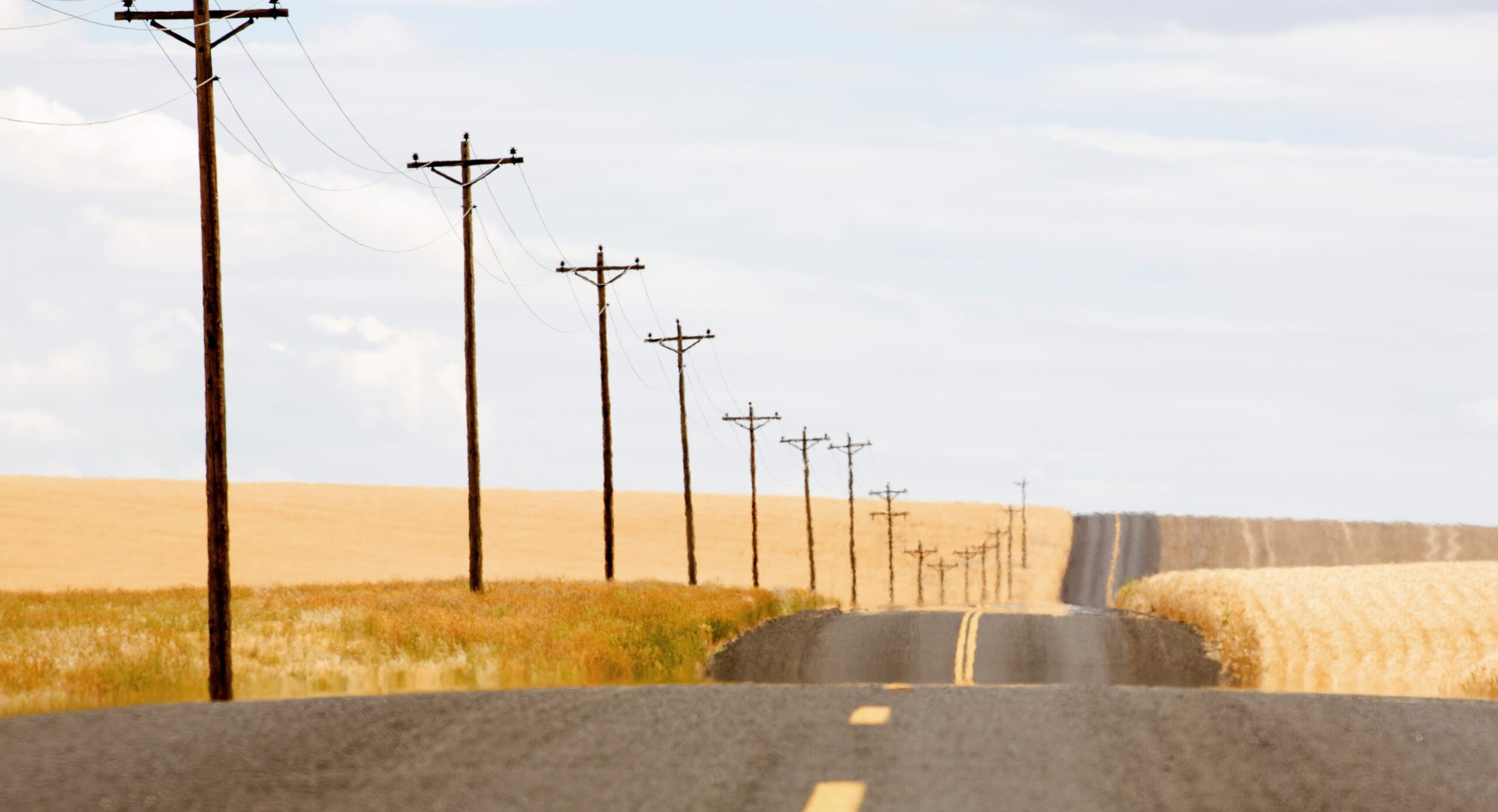
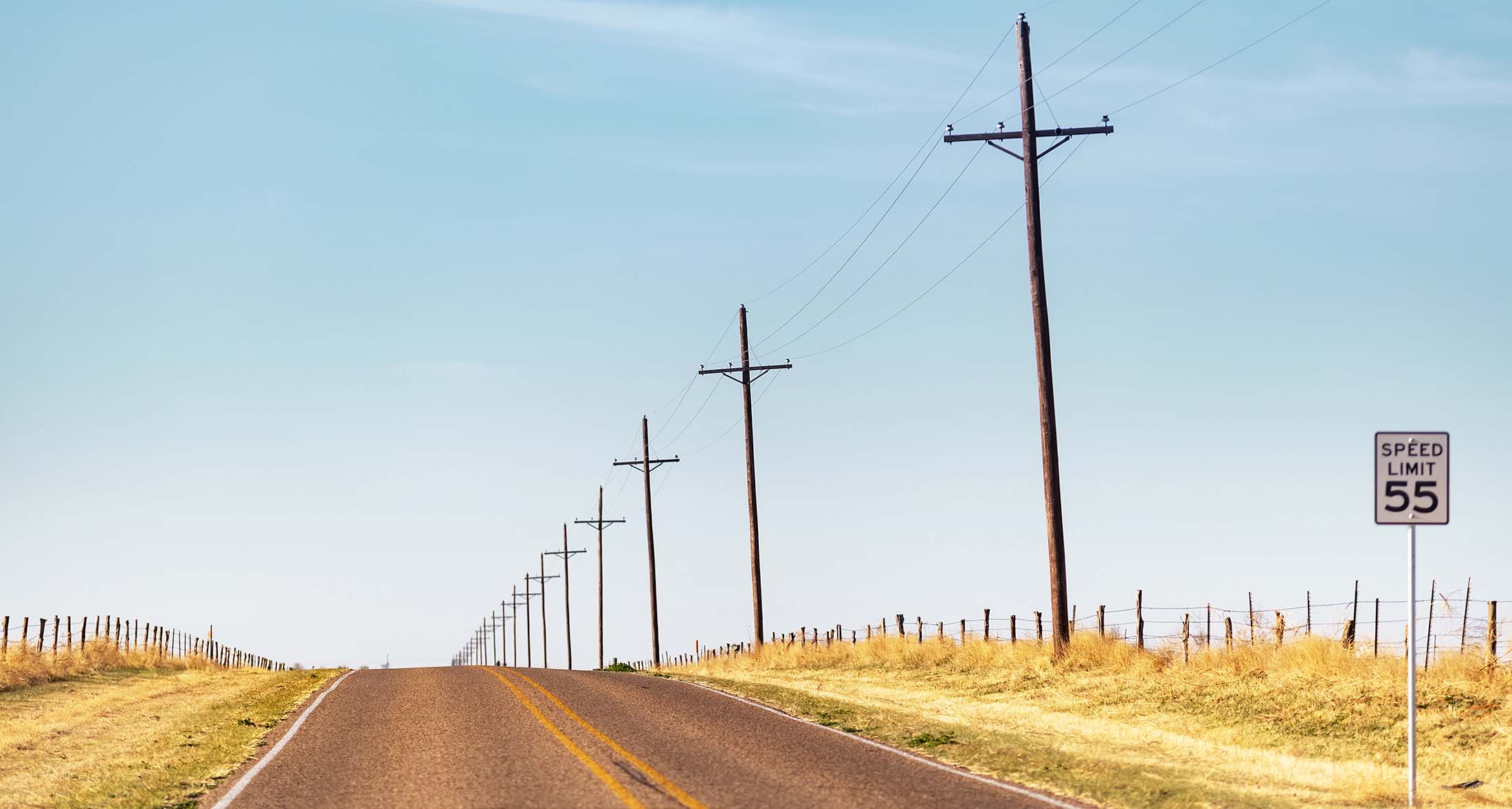
Every year, thousands of poles succumb to rot, weather, and age. Replacing them is expensive, labour-intensive, and disruptive. Yet, for many utilities, budgets simply cannot cover a wholesale replacement. The question is no longer whether poles will fail, but how to protect them, efficiently, sustainably, and cost-effectively.
The European funding gap for energy transition infrastructure has been widely reported. Large-scale projects like wind farms, grid upgrades, renewable integration, are heavily capital-intensive. Public money alone cannot meet the demand, forcing utilities to prioritise. Long-term maintenance, such as pole replacement, often gets pushed down the list.
It’s a classic problem: the immediate cost of replacement is clear, the long-term benefit less tangible. Yet, ignoring it carries hidden risks: outages, safety hazards, and regulatory pressure. Utilities must find ways to extend the life of existing assets without compromising safety or reliability.
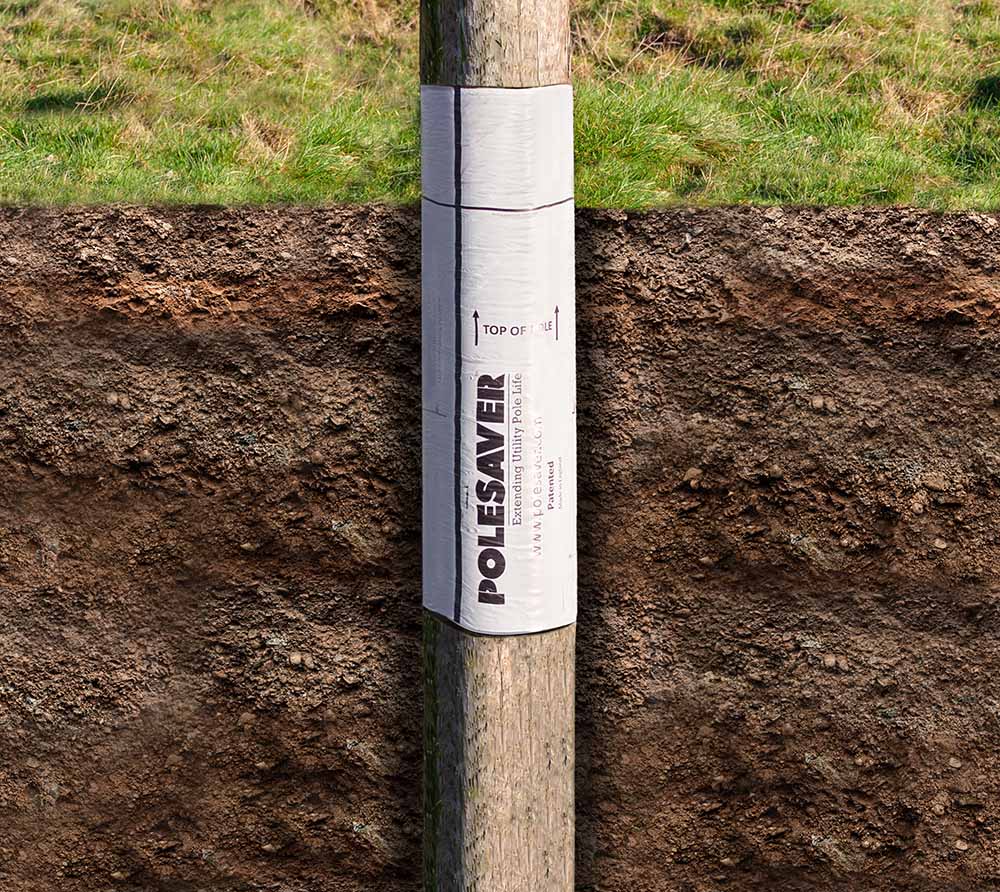
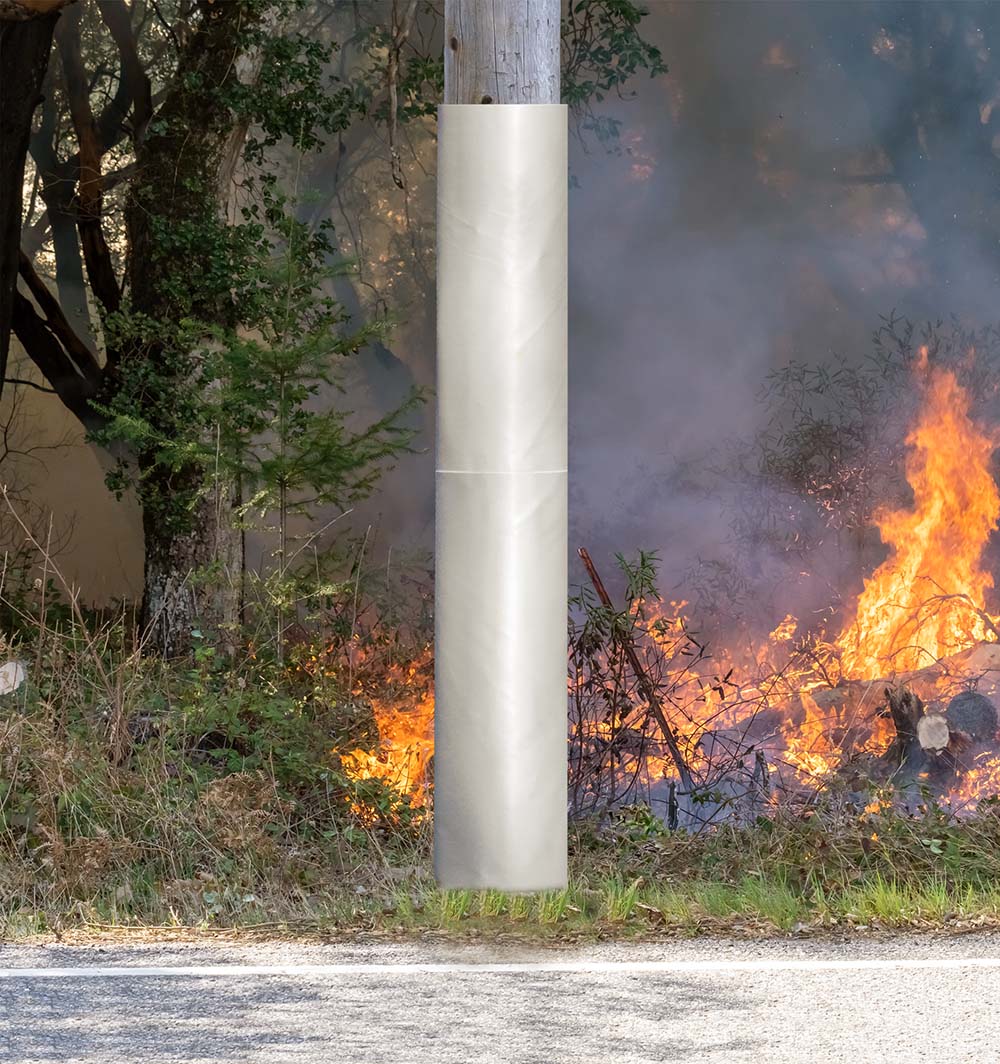
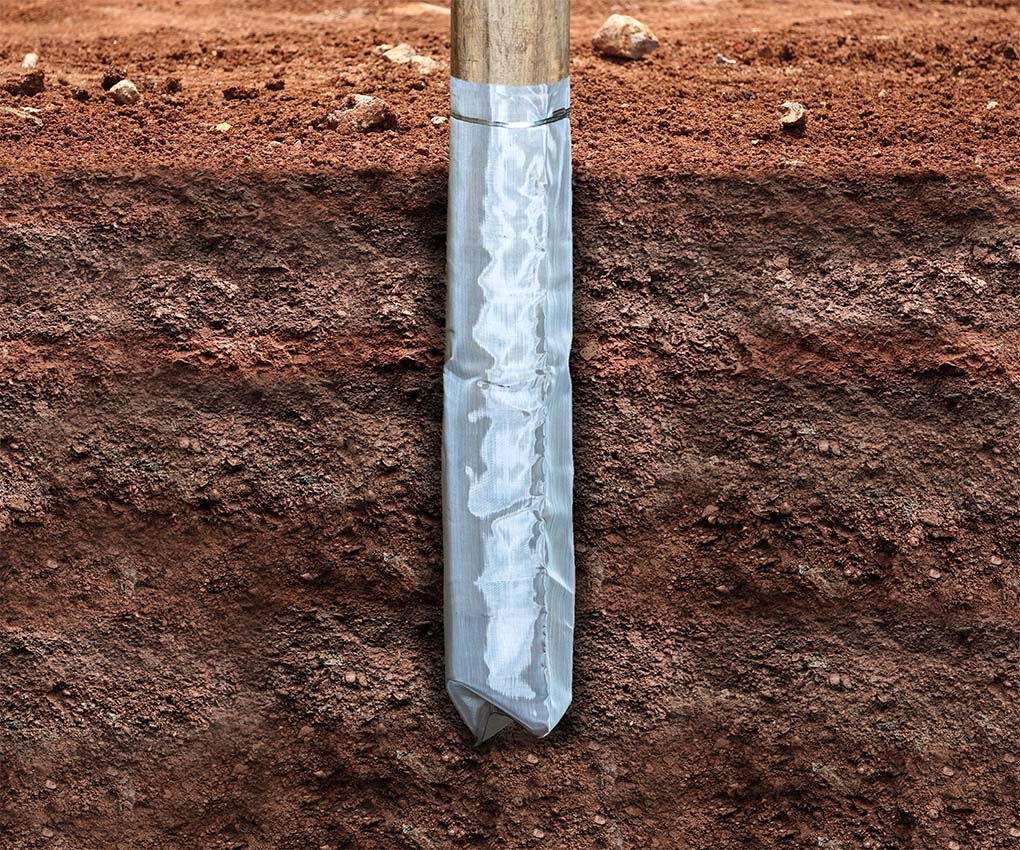
Polesaver offers a pragmatic answer. Its dual-layer Rot-Guard™ protective sleeves shield new wooden poles from rot and decay, extending their lifespan by decades. It is a simple addition to pole installation practice, but one with measurable impact: fewer emergency replacements, reduced labour costs, and less pressure on already tight capital budgets.
From a strategic perspective, pole protection is not just preventative maintenance, it is risk management. For a utility operating hundreds of thousands of poles, an increase in longevity translates to substantial cost savings and operational reliability.
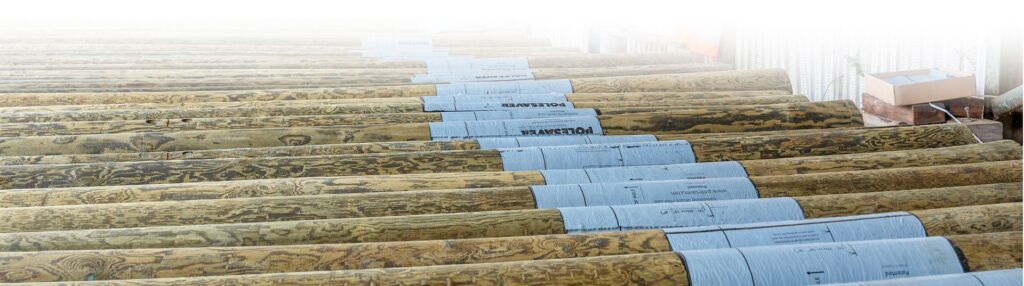
Beyond cost and reliability, there is an environmental argument. Prolonging the life of timber poles reduces the need for fresh wood, cutting both carbon emissions and material waste. For utilities under increasing scrutiny for their environmental and governance practices, investing in protective infrastructure is a way to demonstrate commitment to ESG principles, without compromising service delivery.
The parallels with broader energy finance are clear. Just as Europe looks to private capital to bridge gaps in the green transition, utilities can take a similar approach to asset management: invest prudently in preventive measures to reduce long-term expenditure. The result is a more resilient, sustainable network that meets both regulatory demands and operational needs.
The energy transition is often discussed in terms of high-profile projects: turbines, solar arrays, smart grids. Yet the resilience of the network depends on the small, overlooked elements, like the wooden pole outside a rural home. Protecting these assets is a practical, cost-effective way to navigate financial pressures, safeguard reliability, and support sustainability goals. In the battle to bridge the infrastructure funding gap, sometimes the most effective solution is deceptively simple.
Polesaver has been dedicated to extending the life of wooden poles for over 30 years, and is used in over 30 countries worldwide. Get in touch to speak to one of our team, or to schedules a TEAMs call for you and your staff for more information.


This site is protected by reCAPTCHA and the Google Privacy Policy and Terms of Service apply.