U.S. utilities are investing at an unprecedented scale. Duke Energy has outlined more than $100 billion in planned investment over five years, while Xcel Energy is planning around $60 billion. Across the country, utilities are expanding networks to meet rising demand from data centers, new development, and electrification.
At the same time, wildfire risk remains a major concern, particularly in states such as California and Colorado.
With billions of dollars being committed to infrastructure, the question isn’t simply how much to invest, it’s how to make those investments last. Protecting infrastructure so that it delivers its full lifetime value is a key part of that strategy. For wooden utility poles, solutions such as Rot-Guard™ and Blaze-Guard™ provide targeted protection against two significant threats: decay and fire.
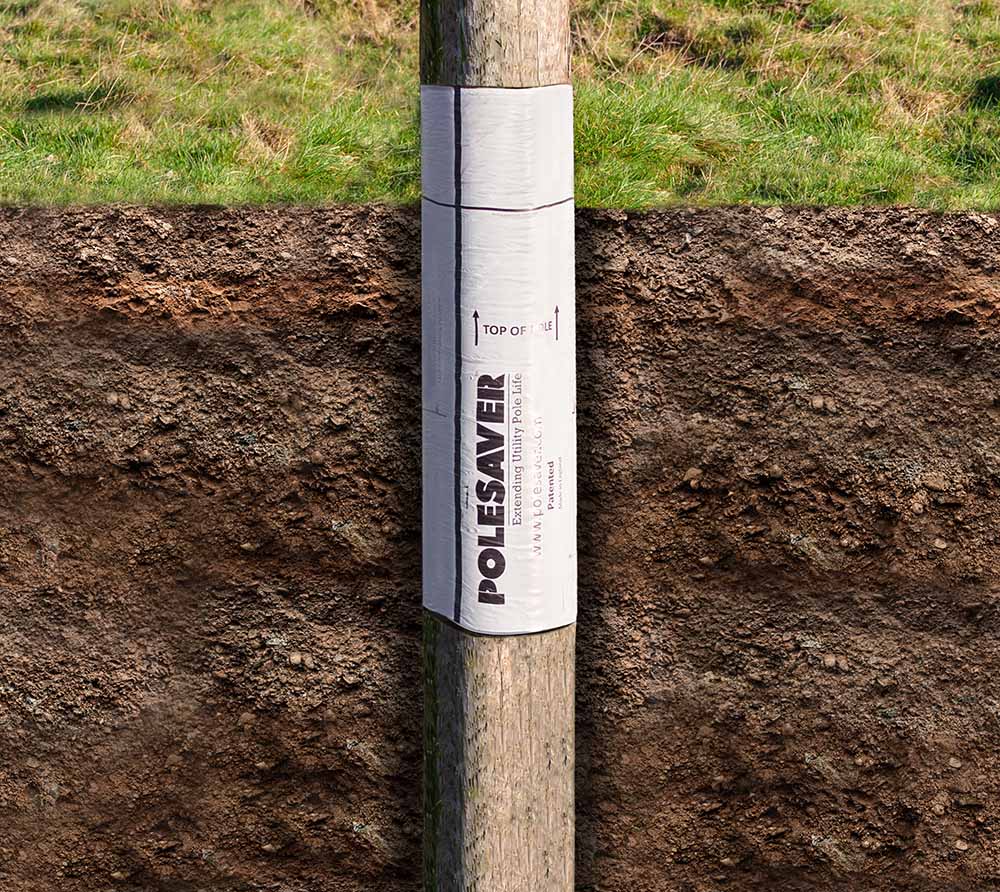
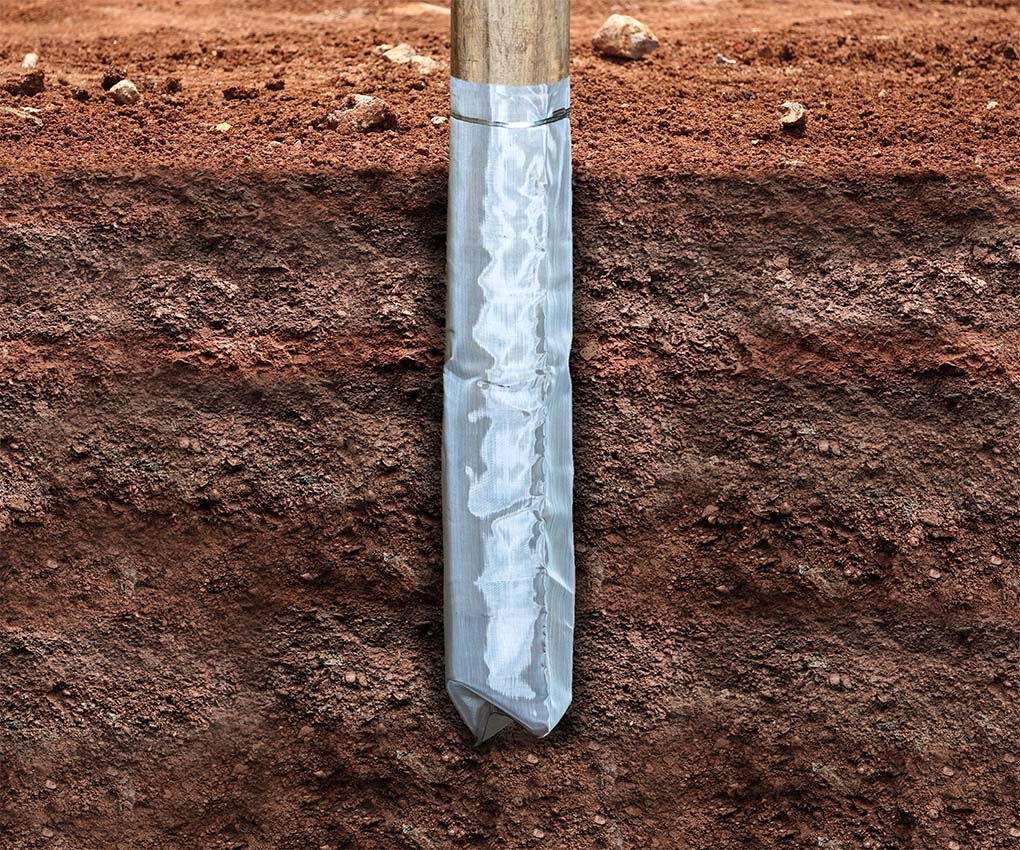
New utility poles represent a significant investment. Without additional protection, timber can be exposed to moisture, fungal decay, and insect attack over its service life. Rot-Guard is designed to provide a total barrier around the critical ground-line section of a wooden pole, helping protect the timber from moisture ingress and biological attack.
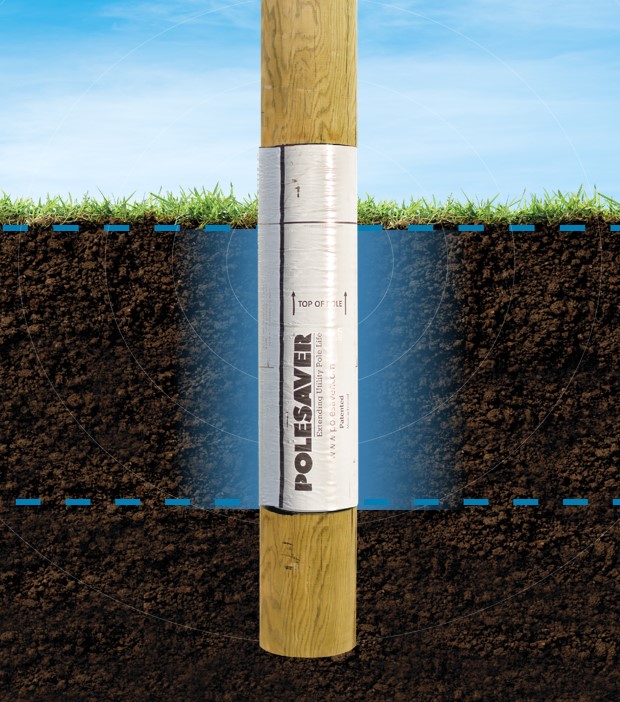
Installing protection when a new pole is deployed can help utilities:
The principle is simple: protect the asset from the outset and reduce the likelihood of paying for its replacement earlier than necessary.
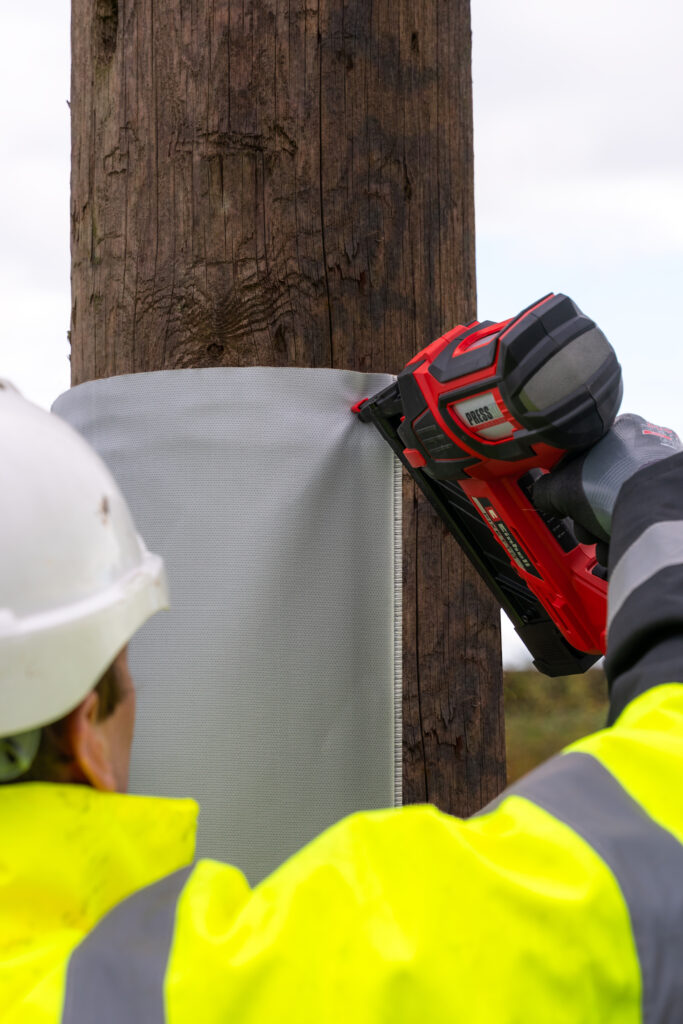
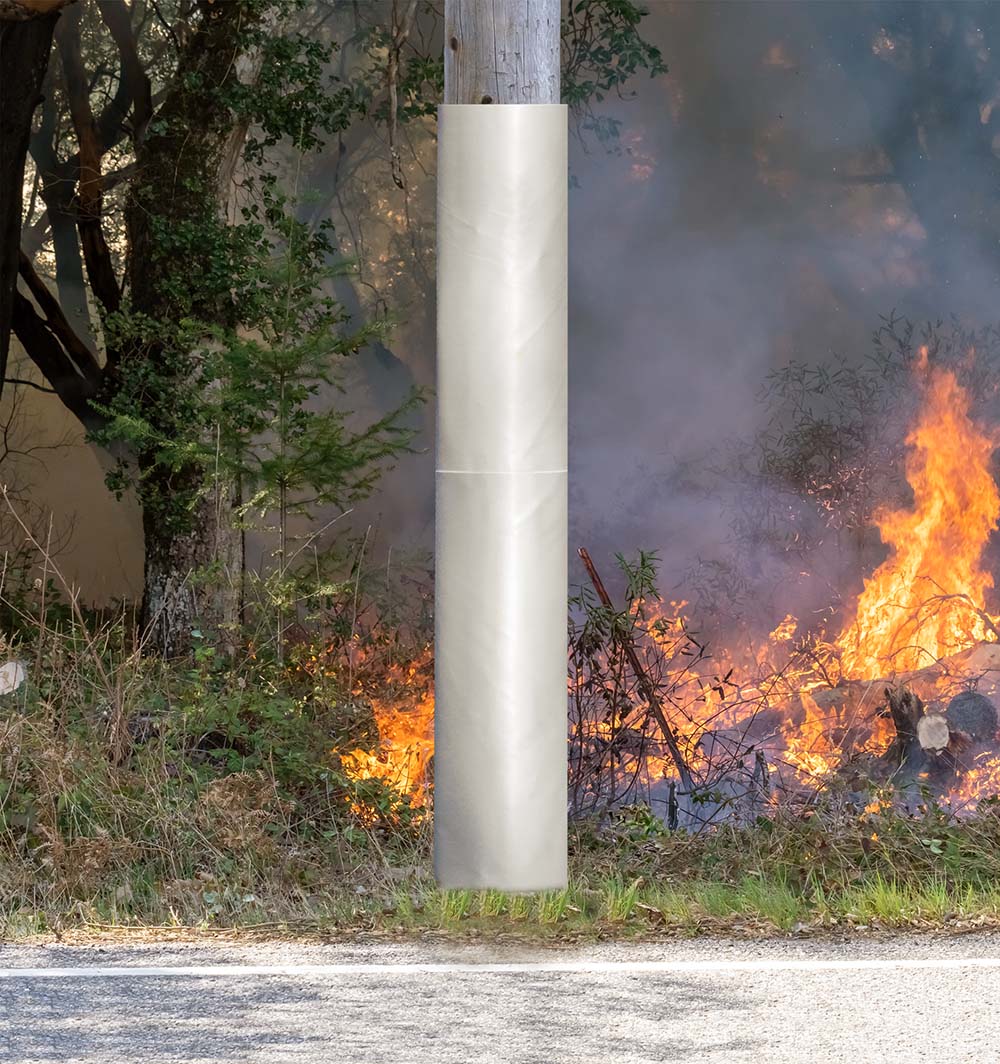
Existing poles in fire-prone areas face a constant threat, and a single ignition can have devastating consequences. Blaze-Guard provides proven, fire-resistant protection that dramatically lowers that risk.
By strategically protecting poles, utilities can safeguard communities, minimise outages, and reduce potential liability, all while looking after the value of infrastructure they’ve already invested in. It’s a straightforward, high-impact approach: reinforce poles today and prevent costly incidents tomorrow.
The performance of Rot-Guard is supported by testing and field evidence reviewed by wood-treatment expert Craig R. McIntyre in an independent 2026 review.
The review examined six separate tests of Polesaver products, including long-term field trials in Uganda and England, laboratory soil-bed testing, and comparative moisture-uptake testing. The results consistently demonstrated the effectiveness of the total barrier approach in preventing moisture ingress and protecting timber from fungal and insect attack.
In an eight-year Ugandan field trial, Rot-Guard-protected poles showed no attack, while fungal or termite damage was recorded on the unprotected control poles. A separate 25-year English stake trial also demonstrated a significant difference in service life. None of the Polesaver-protected stakes had failed, compared with an average life of around 15 years for preservative-treated but unwrapped stakes and just over 5.5 years for untreated, unwrapped stakes.
Based on the body of evidence, McIntyre concluded that total barrier sleeves can significantly extend the service life of wooden utility poles, describing the manufacturer's claim of adding 20 years to pole life as reasonable and realistic.
For utilities, that evidence points to a straightforward opportunity: protect the timber, extend the asset's useful life, and reduce the frequency of replacement.
The potential economics are compelling.
For example, if a wooden pole has an expected service life of approximately 28 years and Rot-Guard extends that life toward 48 years, the additional service period could potentially avoid an otherwise necessary replacement.
Using an illustrative sleeve cost of $50 and an estimated pole replacement cost of $5,000, the initial protection cost is only 1% of the example replacement cost.
That means every $50 invested in protection could potentially avoid up to $5,000 in replacement expenditure, a potential 100× return on the initial sleeve cost, before considering the additional savings associated with labor, equipment, outages, traffic management, and operational disruption.
Actual returns will vary depending on pole type, installation costs, replacement costs, service conditions, and asset-management practices. But the underlying principle remains: extending the life of an existing infrastructure investment can be significantly less expensive than replacing it.
Utilities are investing heavily to expand and strengthen their networks. Protecting those assets should be part of the same conversation.
By incorporating Rot-Guard and Blaze-Guard into appropriate capital and maintenance programs, utilities can take a proactive approach to asset life, decay prevention, and wildfire resilience.
For new poles, Rot-Guard helps protect the investment from the outset. For existing poles in fire-prone areas, Blaze-Guard provides an additional layer of protection where wildfire risk is a concern.
The result is a practical approach to infrastructure management: invest in protection today to help maximise the value of infrastructure for years to come.
Polesaver has been developing solutions to maximise the life of wooden poles for more than 30 years, with products used in more than 30 countries worldwide.
To learn more about Rot-Guard and Blaze-Guard, or to discuss how pole protection could fit into your utility's asset-management strategy, contact the Polesaver team.




This site is protected by reCAPTCHA and the Google Privacy Policy and Terms of Service apply.