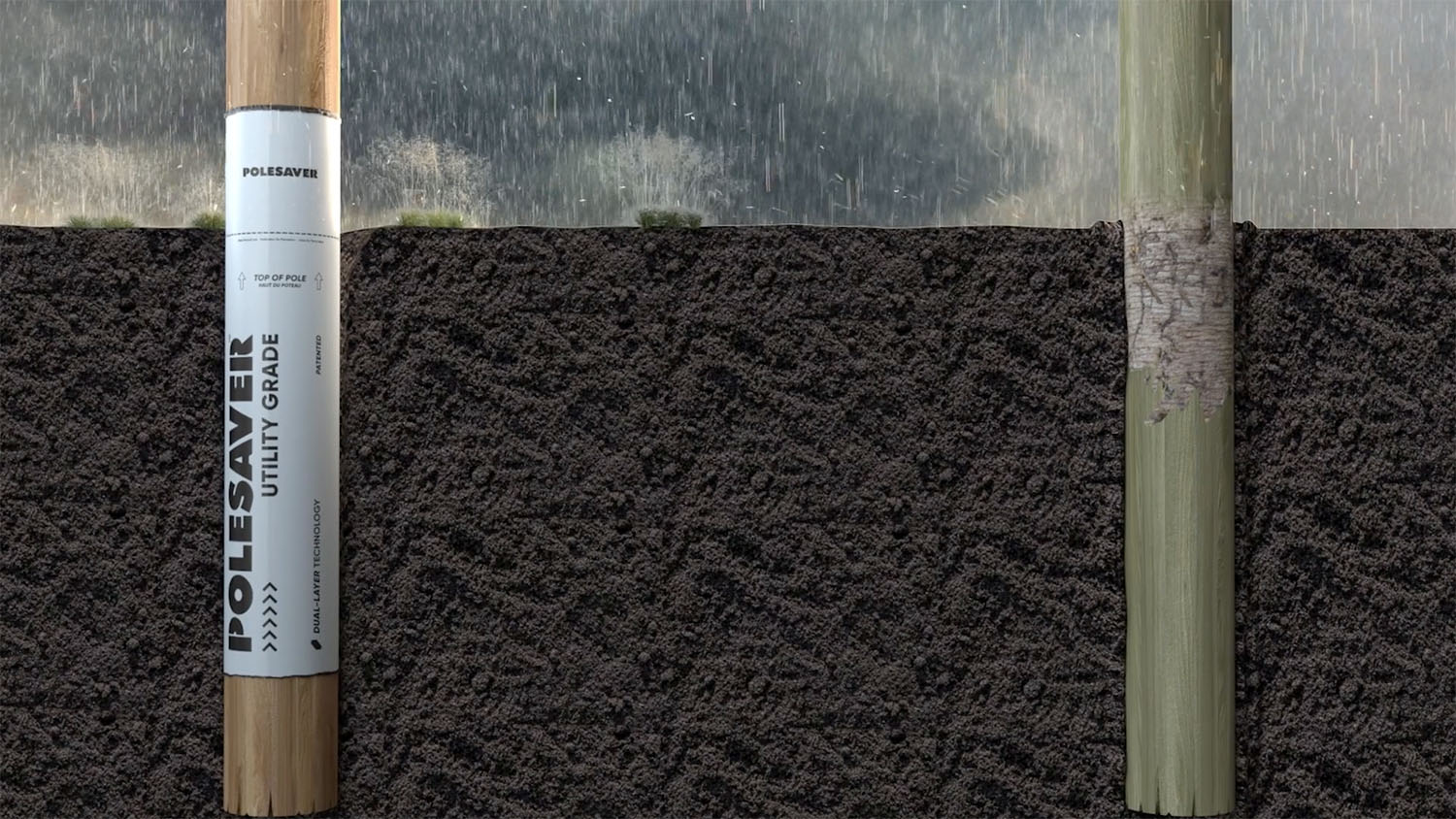
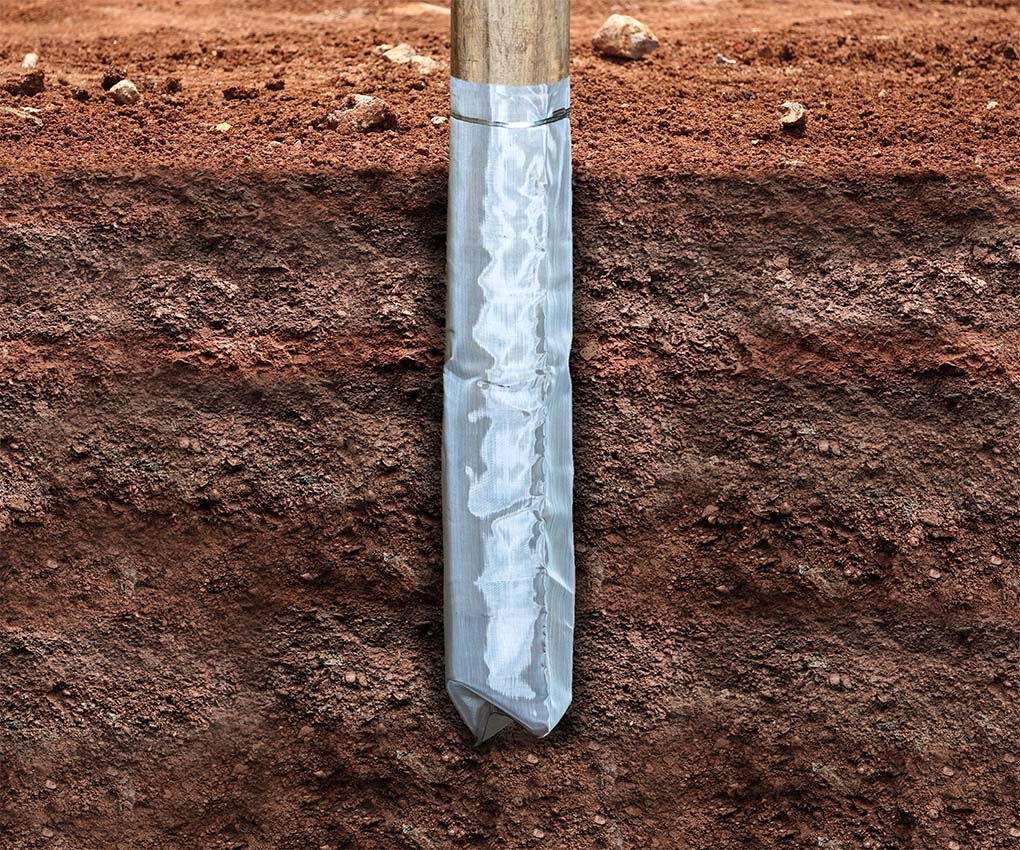
Even a properly treated wooden pole has a vulnerable point: the ground line, where moisture, oxygen, microorganisms and insects can gradually compromise the timber. So, if the problem is well understood, why aren't ground line barrier sleeves universally adopted? From variations in technology to the rise in alternative materials, we explore why.
The utility pole market is evolving rapidly, with an increasing emphasis on sustainability and performance. It is imperative to recognise the inherent advantages of wood and take proactive steps to ensure its continued relevance in the global pole market.
In an era defined by reliability and sustainability, Polesaver offers a market leading protection product which is compatible with all preservatives and upholds high service standards for decades.
The energy landscape in the United States is evolving rapidly, and with the Grid Resilience and Innovations Partnership (GRIP) funding now in the final stages, it’s the perfect time for energy companies to embrace innovative solutions like Polesaver.
When it comes to understanding the performance of preservatives it’s vital to employ accelerated and real-world testing methods. By integrating these two approaches, we can harness the strengths of both to provide deeper insights and more reliable predictions.
In a critical juncture for some of the South American pole industry, the traditional reliance on wooden utility poles faces increasing challenges. A transformative shift towards innovative solutions has the potential not only to meet utility demands but also to establish wood as the unparalleled material choice, revitalising the market for wooden power and telecom poles.
A transformative shift towards championing innovative solutions that not only meet the demands of utilities but also solidifies wood as the unparalleled material choice holds the power to not just revitalise the market for wooden power and telecom poles, but to forge a pathway towards a sustainable, resilient, and eco-friendly infrastructure.
A major utility has recently specified the use of Polesaver sleeves to provide protection on its wooden utility poles. The utility based in Europe has traditionally used wooden poles treated with creosote wood preservative. Following the recent re-classification of Creosote by the European Commission as a class 1b carcinogen by the European Commission many European utilities are now looking at safe alternatives to creosote treatment...
In this short article, we run through the alternatives to Pentachlorophenol wood preservative and how you can use them in conjunction with a full barrier system to prevent decay and increase pole life by +20 years from the start.
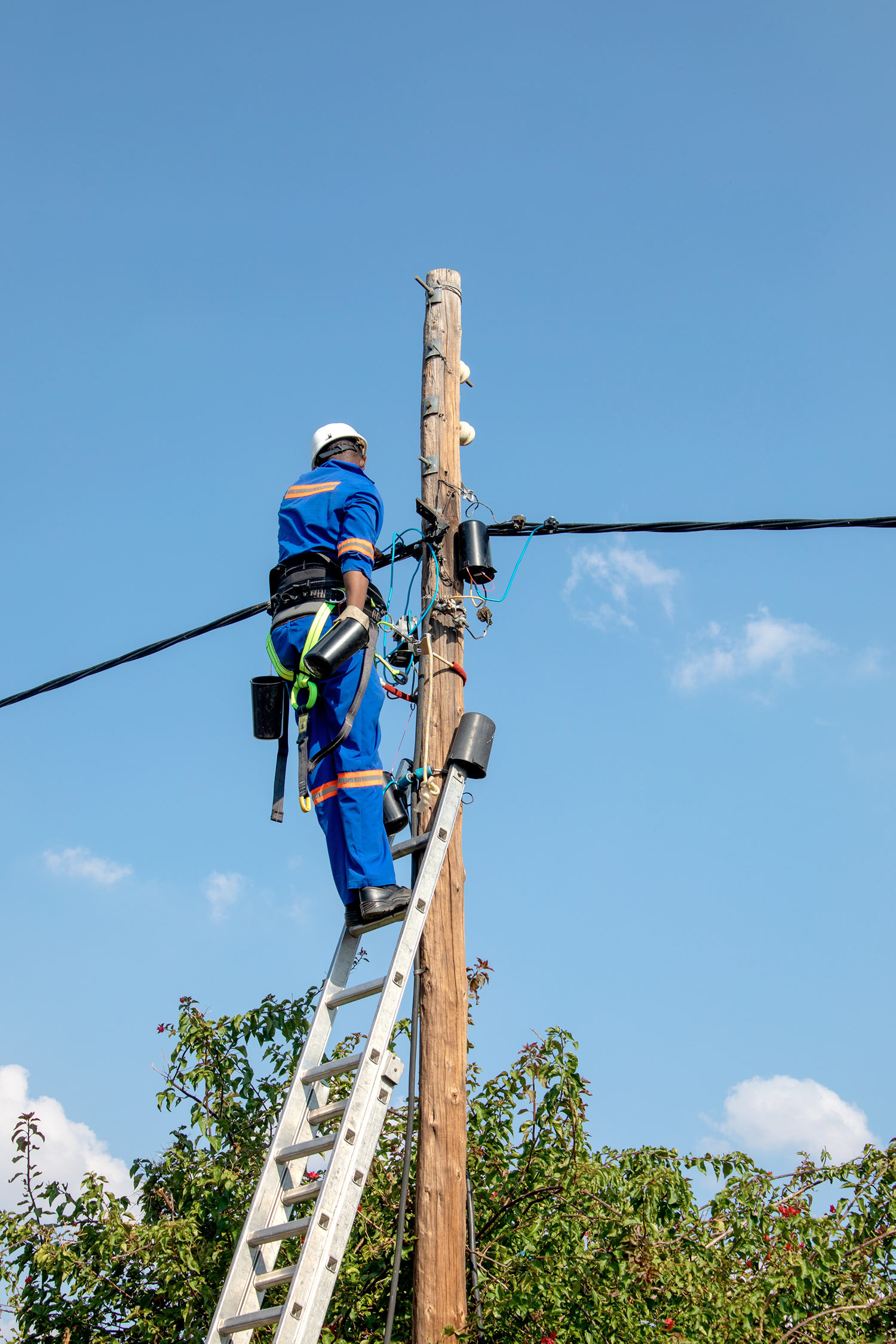
Utility companies have a large number of assets spread over a large area. These assets require regular inspection, maintenance, repair and replacement. The effective management of assets is key to maintaining safety and network reliability while ensuring financial stability and reducing long-term costs.
In our current era, we are faced with several critical environmental challenges. Identifying the areas in which we can minimise our impact on the environment is fundamental to ecological success.
As regulations surrounding wood preservatives such as Creosote tighten, and environmental standards evolve, incorporating innovative products such as the Polesaver Rot-Guard into utility infrastructure offers a practical path forward, ensuring compliance and sustainability
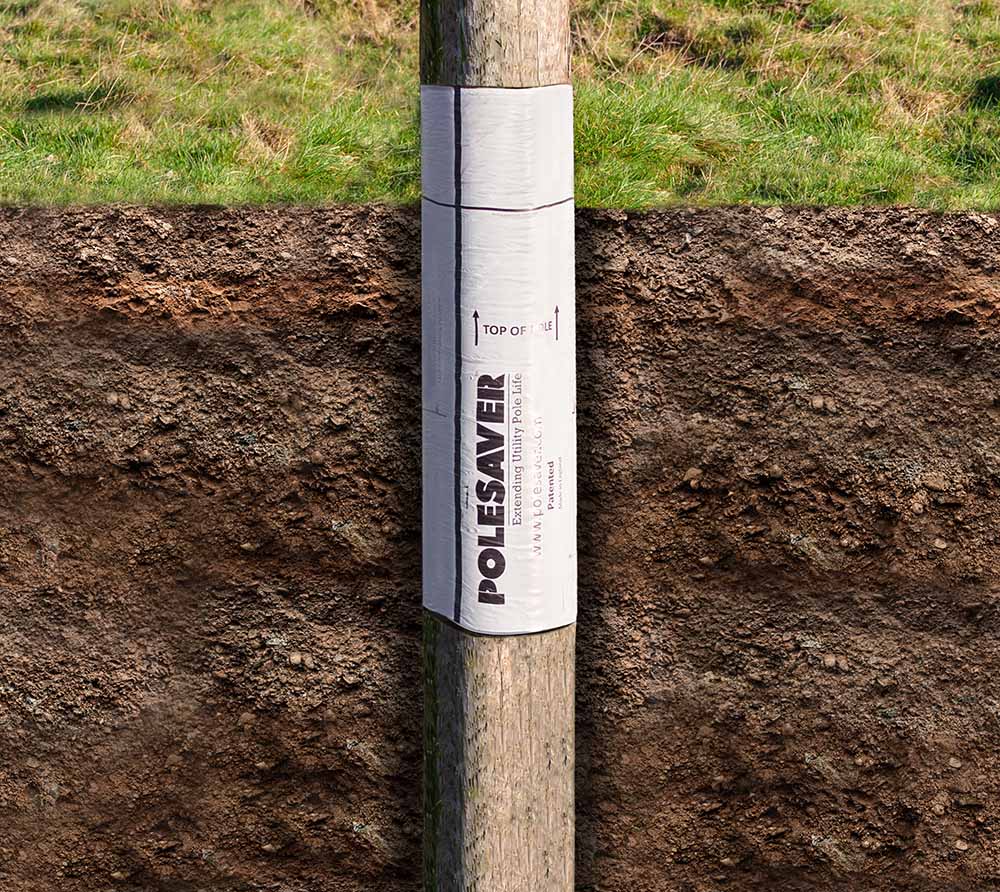
Polesaver dual barrier technology sleeves are a proven and independently tested product. With 25 years of volume use and over 20 years of independent field test data Polesaver is a proven and highly cost-effective means of increasing pole life.
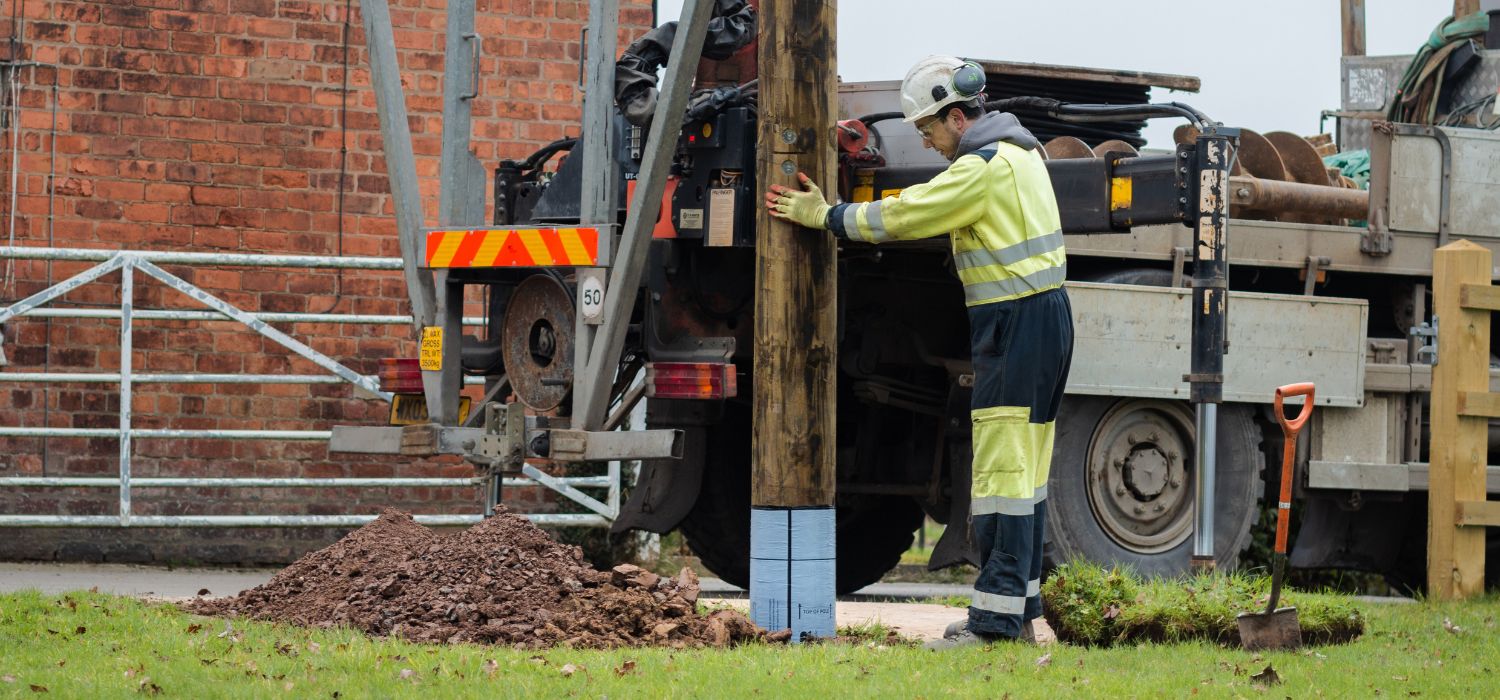
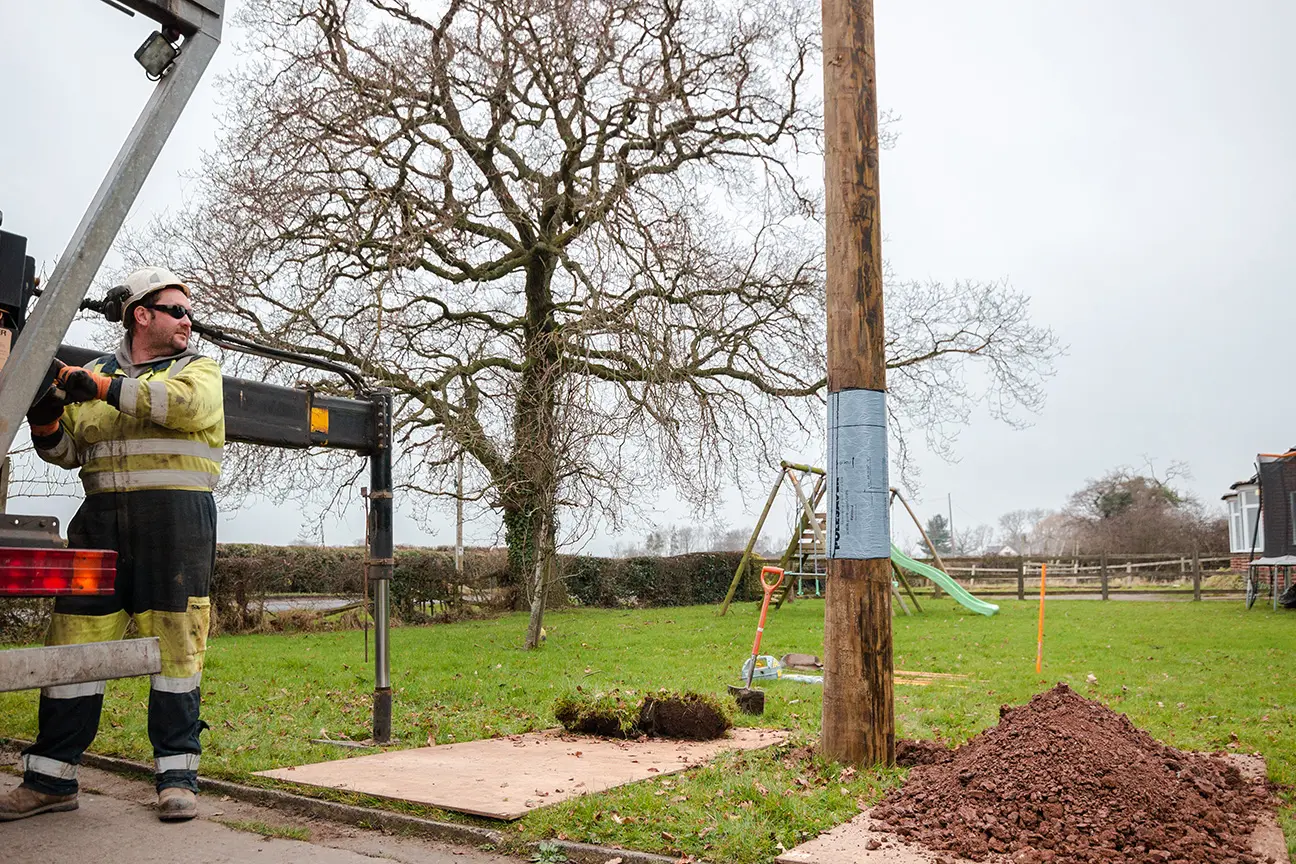
Because the most vulnerable section of a wooden utility pole lies at and just below the ground line, we can protect this area with a barrier product. Barrier products work in conjunction with the preservative treatment to increase the service life of the pole by eliminating or reducing the factors necessary for wood decay to occur whilst reducing or preventing loss of wood preservative.
Many alternatives exist to prolong pole life compared to a standard treated wooden pole. In this article, we’ll be exploring the available options and giving an overview of their effects on safety, maintenance and overall environmental impact.
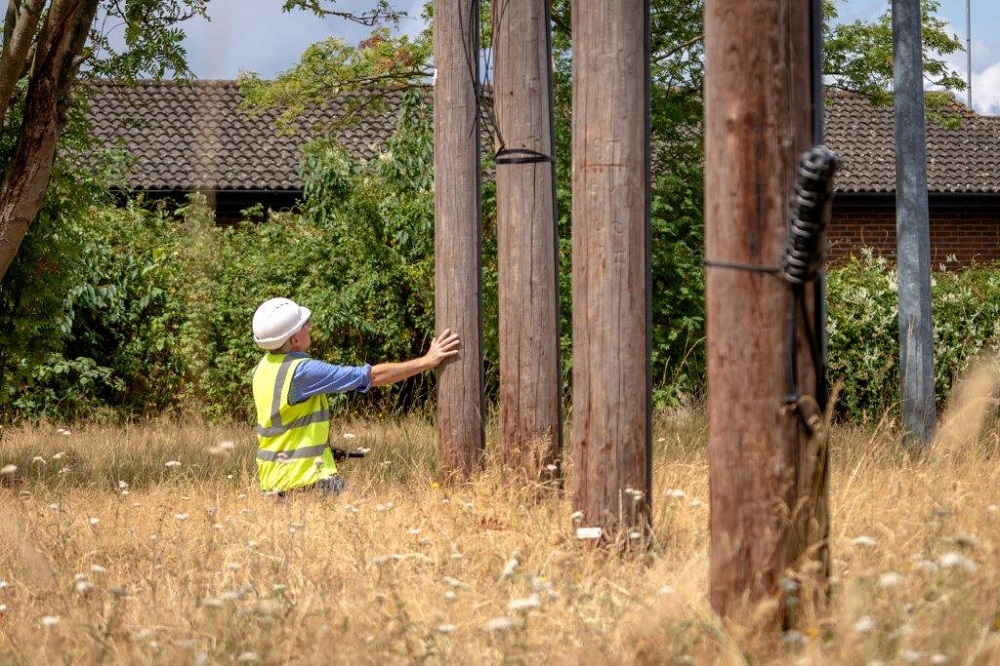
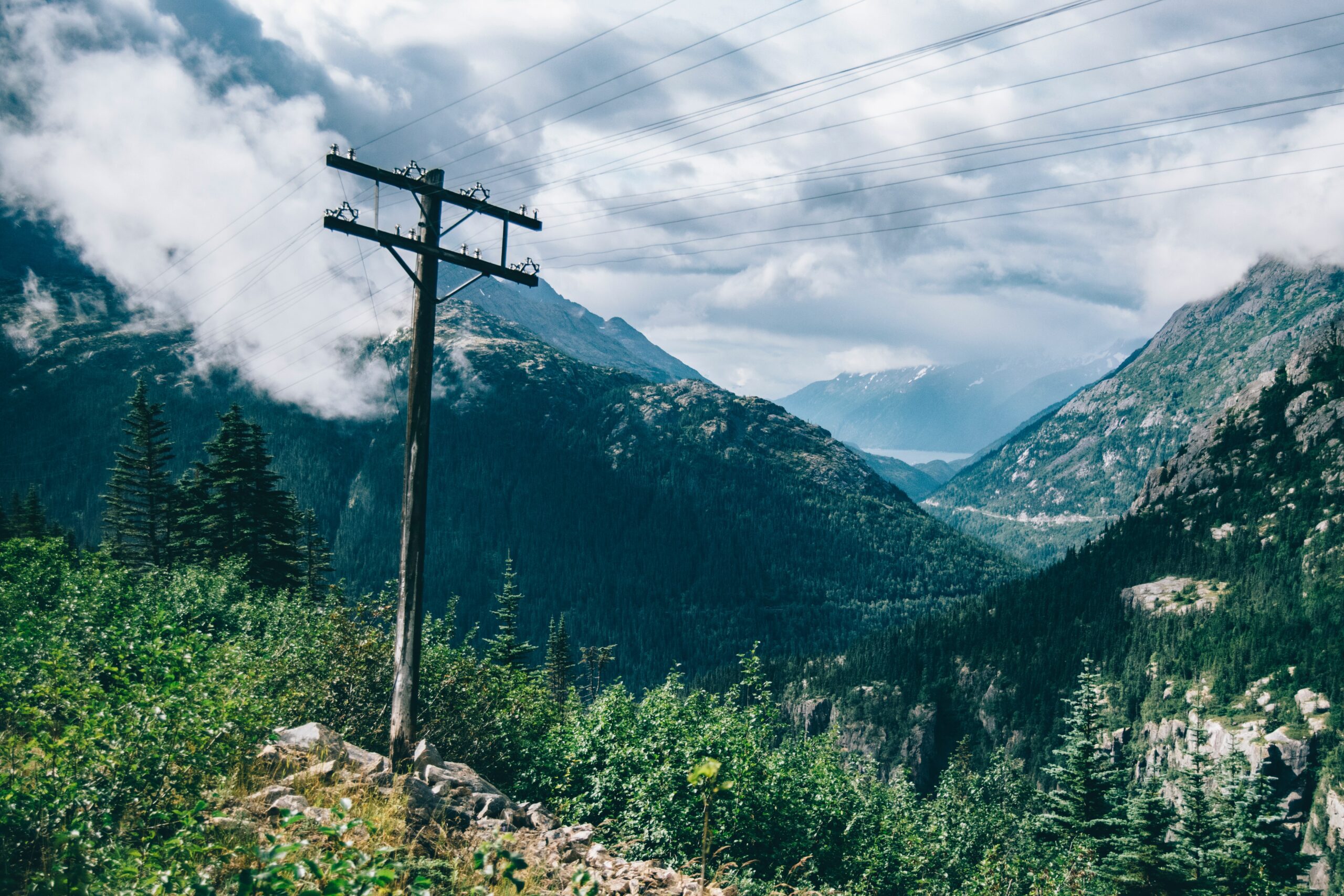
Wooden utility poles are exposed to many different conditions along their length, from widely varying weather conditions above ground to cool damp and stable conditions deep in the ground.
Polesaver manufactures and supplies guaranteed products that are proven to maximise utility pole lifespan. With millions of Rot-Guard sleeves supplied to date, our patented ground-line barrier sleeves have been proven in volume use since 1994.
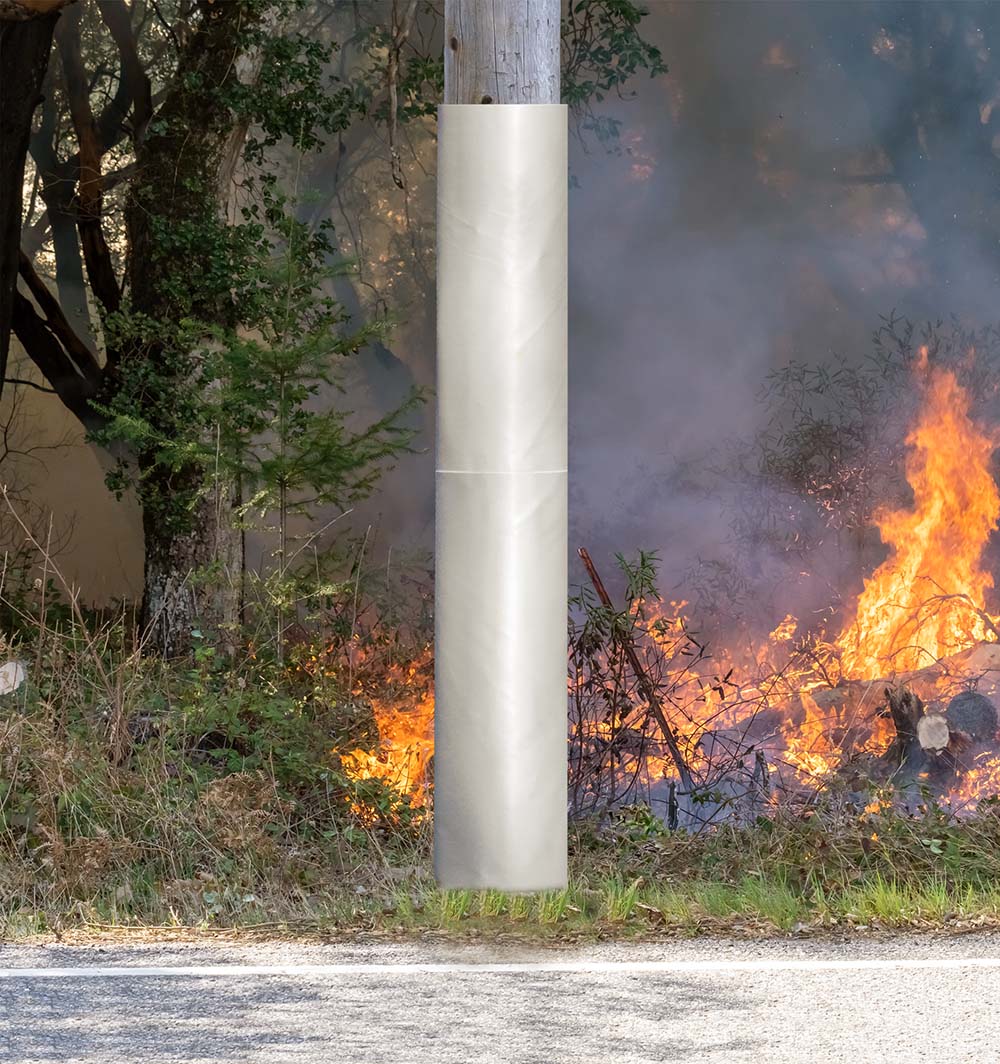
*Polesaver uses long term independent test data on the effectiveness of barrier sleeves and fire protection fabric to reach all the conclusions given on this website (test data available on request). Based on this data, Polesaver believes longer life, maintenance of strength over time, improved safety and reliability, extended inspection periods and reduced maintenance requirements are reasonable claims. This is subject to Polesaver products being correctly applied as per our instructions and used on correctly preservative treated (for long term in-ground use - Use Class 4 or higher) wooden utility poles that are free of decay at the time of sleeve application. The claims made, real or implied are not warranties. It is the responsibility of the user to evaluate and satisfy themselves that the performance of the product meets their specific safety, reliability, extended inspection, repair and any other performance or cost-benefit criteria before using Polesaver sleeves or fire protection fabric.